

What a Smarter Supply System for Small Retailers Should Look Like


In the earlier parts of this series, we explored how depending on too many suppliers creates operational stress, pricing confusion, and stock issues for small retailers.
The real question now is: What does a better system look like?
A smarter supply system is not just about buying products — it’s about reducing complexity and helping retailers run their businesses more efficiently.
1️⃣ Fewer Suppliers, Wider Product Access
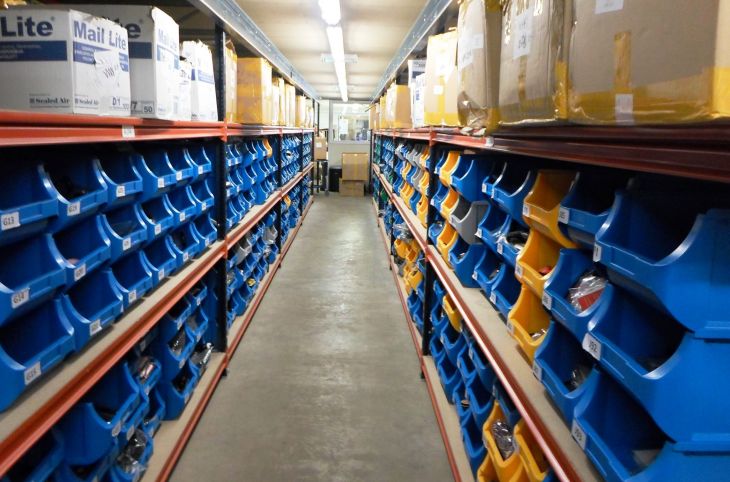
A modern supply system should allow retailers to source multiple product categories through fewer, well-organized supply channels.
Instead of managing separate vendors for hardware, household goods, and utility items, retailers benefit from consolidated sourcing that saves time and effort.
This reduces coordination work while still maintaining product variety.
2️⃣ Clear and Consistent Pricing
Unpredictable pricing makes it hard for retailers to plan margins.
A smarter system should provide:
-
Transparent wholesale pricing
-
More stable rate structures
-
Better visibility into cost comparisons
When retailers know their costs in advance, they can price products confidently and protect their profits.
3️⃣ Coordinated Deliveries

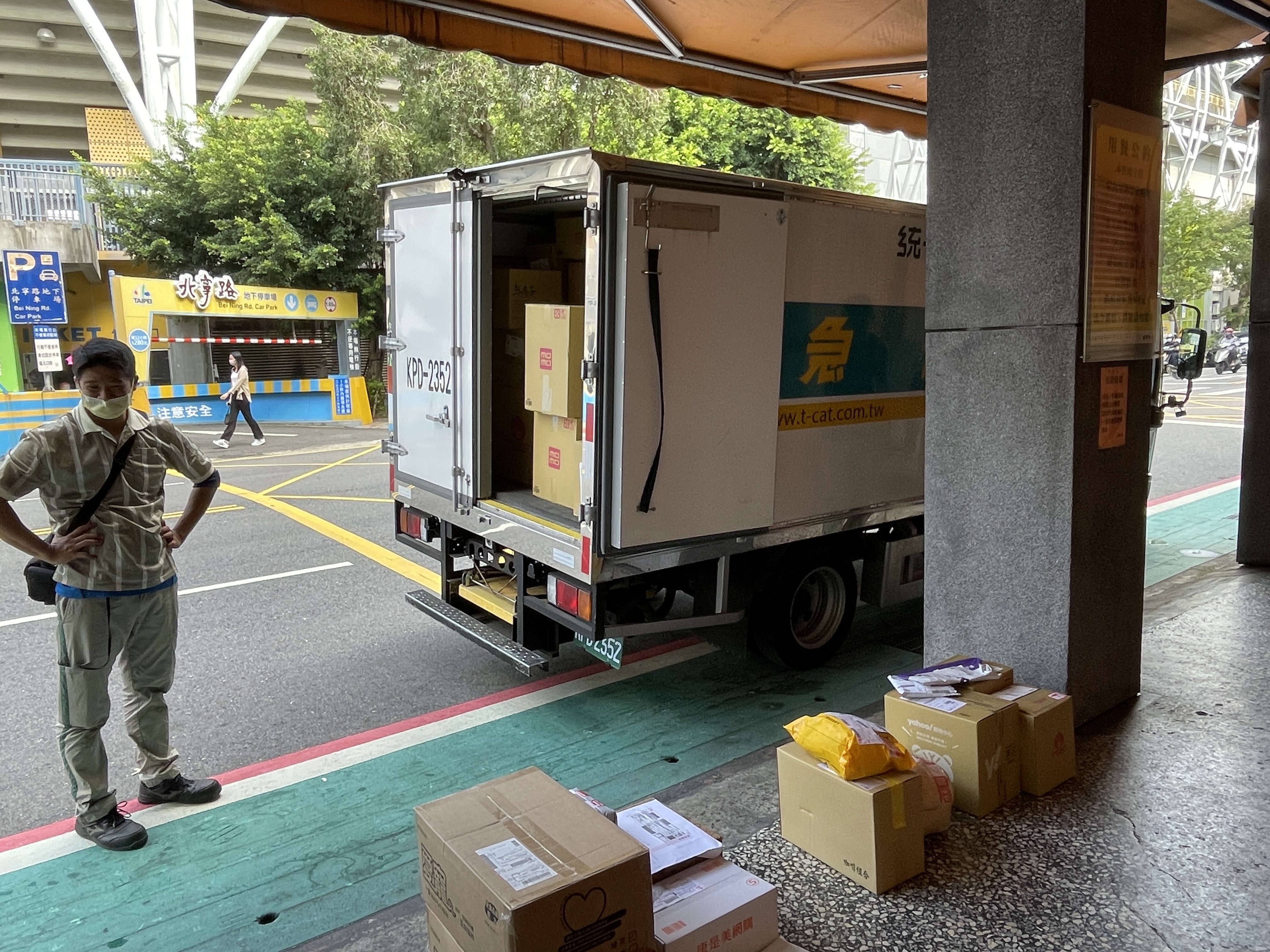

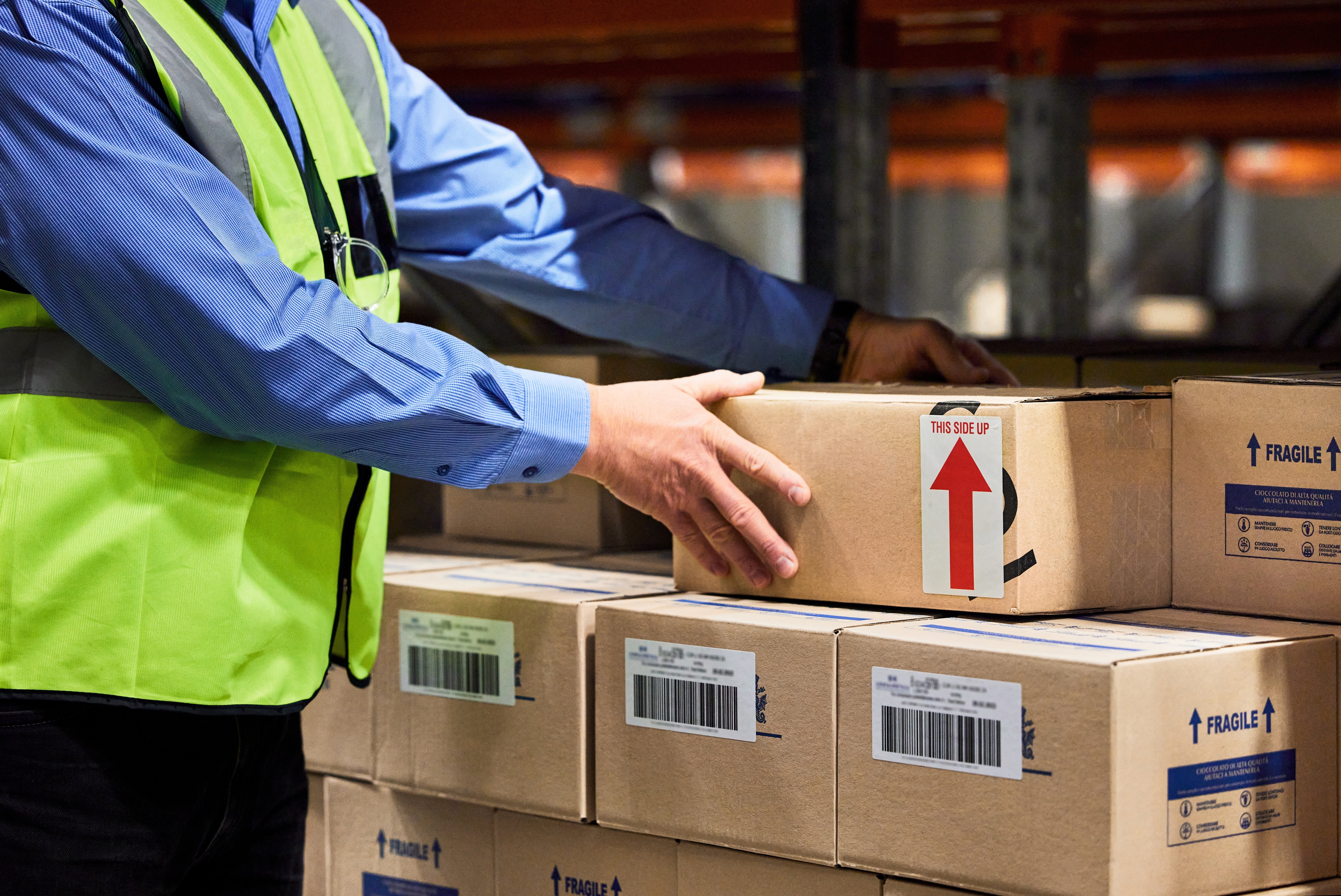
Instead of receiving scattered deliveries from different suppliers on different days, a structured supply network should help coordinate shipments more efficiently.
Benefits include:
✔ Fewer delivery disruptions
✔ Better stock planning
✔ Reduced transport confusion
This keeps shelves filled and customers satisfied.
4️⃣ Simpler Ordering and Payments
Small retailers often operate without dedicated accounting or procurement teams. A smarter supply system should make ordering straightforward and reduce financial complexity by offering:
-
Streamlined order processes
-
Fewer separate invoices
-
More manageable payment structures
Less paperwork means more time for customers and sales.
5️⃣ Improved Buying Power Without Huge Risk
One of the biggest challenges for small retailers is accessing good pricing without placing large, risky orders.
An organized supply model should help retailers:
-
Combine product needs into more efficient orders
-
Access better pricing structures
-
Buy smarter without overstocking
This improves margins while keeping inventory risk under control.
The Shift Toward Smarter Retail Sourcing
Retail success is no longer based only on sales skills or location. Increasingly, it depends on how efficiently products are sourced, managed, and replenished.
Structured sourcing networks and organized supply platforms are becoming essential tools that help small retailers compete with larger, more organized businesses.
Businesses like Ashid Home Store are part of this shift toward smarter, more connected supply systems designed to reduce complexity and support everyday retailers.
📌 Up Next in Part 4: How small retailers can transition from fragmented sourcing to a more organized supply model — step by step.
0 comments