

How Small Retailers Can Transition to Smarter Sourcing — Step by Step



In the previous parts of this series, we explored:
-
The pressure small retailers face
-
The hidden costs of depending on too many suppliers
-
What a smarter supply system should look like
Now comes the practical question:
How can small retailers transition toward smarter sourcing without taking big risks?
Here’s a step-by-step approach.
1️⃣ Evaluate Your Current Supplier Structure
Start by asking:
-
How many suppliers am I actively managing?
-
Which ones provide overlapping products?
-
Where do delays or pricing issues happen most?
This simple review often reveals unnecessary complexity.
2️⃣ Identify Consolidation Opportunities
Many retailers discover that multiple suppliers provide similar product categories.
Gradually consolidating purchases into fewer, more reliable channels can:
✔ Reduce coordination time
✔ Improve negotiation leverage
✔ Simplify delivery planning
The goal is not to eliminate flexibility — but to reduce fragmentation.
3️⃣ Standardize Ordering Cycles
Instead of placing scattered orders throughout the week, consider:
-
Fixed ordering days
-
Planned replenishment cycles
-
Minimum stock level tracking
Structured ordering improves inventory control and reduces last-minute stress.
4️⃣ Focus on Margin Visibility
Smarter sourcing is not just about lower prices — it’s about predictable margins.
Retailers should:
-
Track purchase price changes
-
Compare supplier rates periodically
-
Understand profit per category
Clear visibility improves decision-making.
5️⃣ Partner with Organized Supply Networks
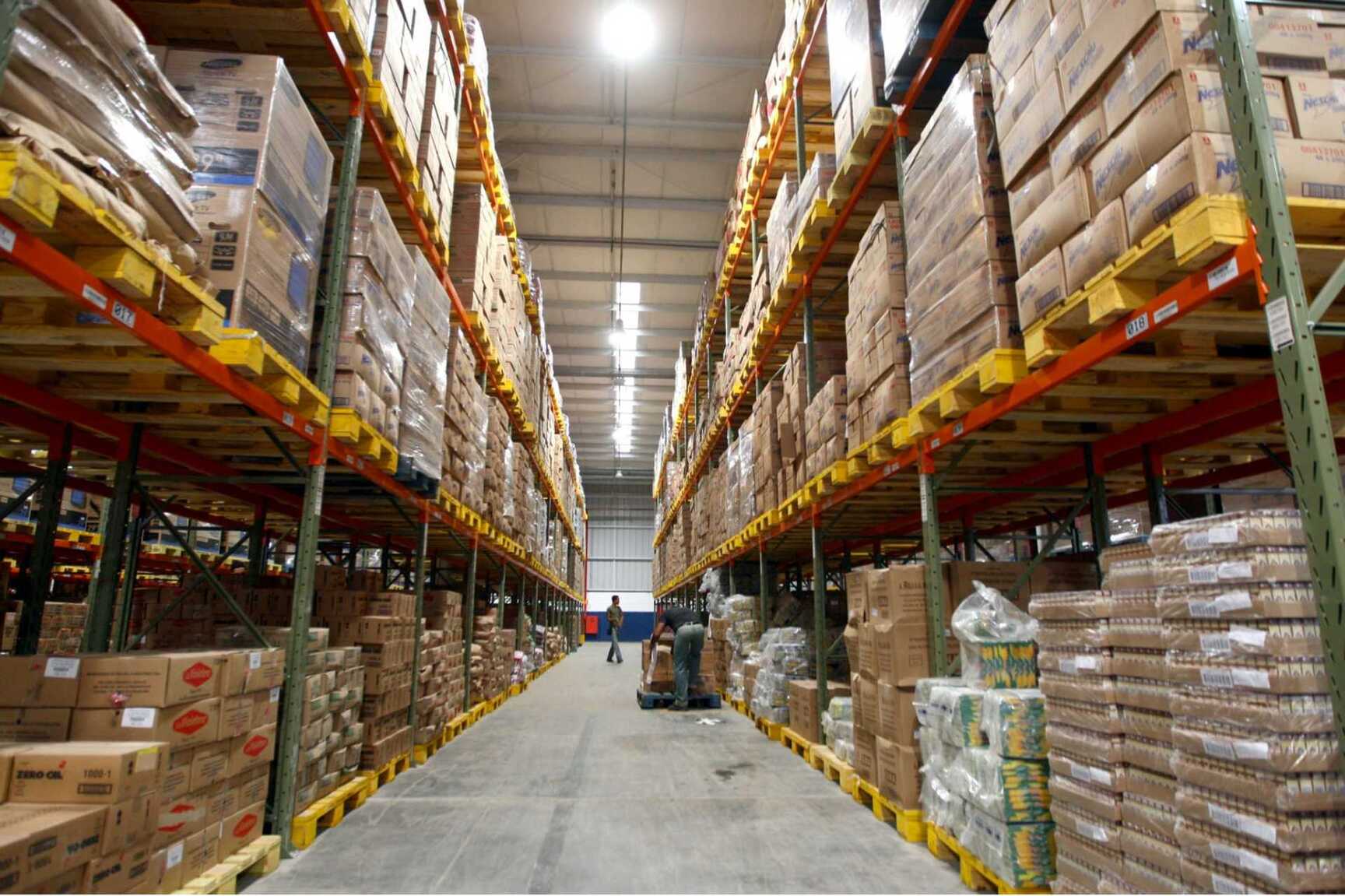



Instead of juggling many small suppliers, retailers can benefit from working with structured sourcing networks that:
✔ Offer multi-category access
✔ Provide clearer pricing structures
✔ Support coordinated deliveries
✔ Reduce operational complexity
Businesses like Ashid Home Store are working toward creating more organized and retailer-friendly supply models that simplify procurement for small businesses.
The Bigger Shift
Retail success today depends on more than just location or sales skills.
It depends on operational efficiency.
Retailers who adopt smarter sourcing methods will:
-
Save time
-
Improve margins
-
Reduce daily stress
-
Compete more effectively
The transition doesn’t require a drastic overhaul — just smarter, more structured decisions.
📌 Up Next: How organized B2B supply networks can create growth opportunities for both retailers and wholesalers.
0 comments